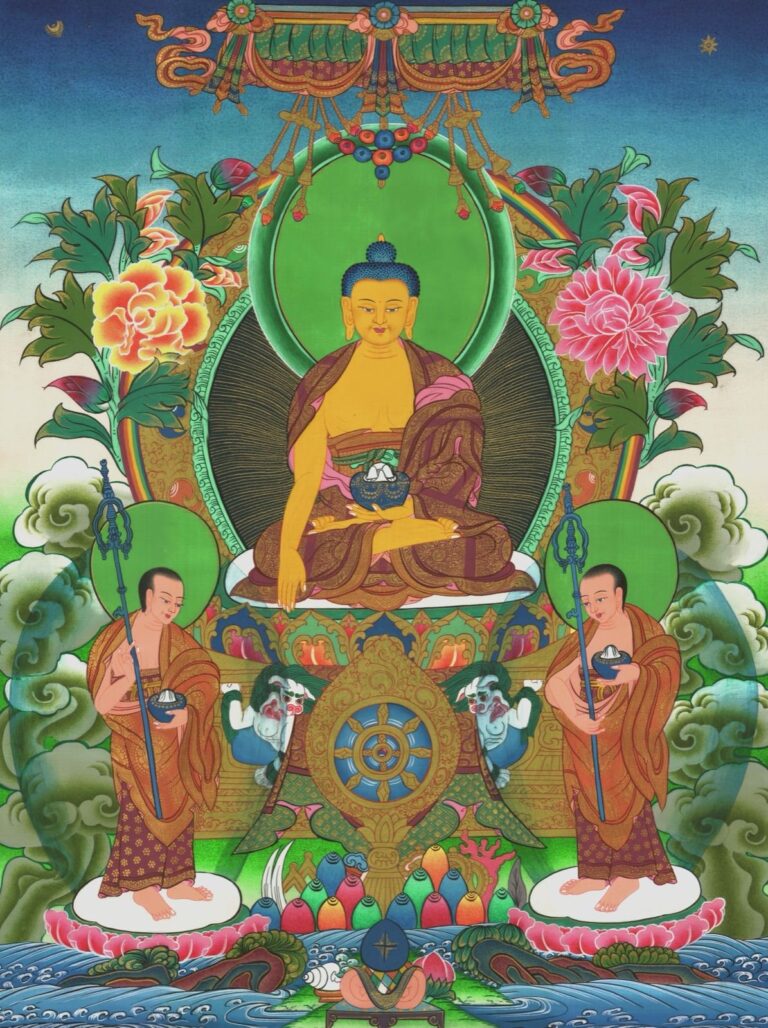
Shakyamuni Buddha Thangka: Earth-Touching Gesture and Symbols
Identify Shakyamuni Buddha through the earth-touching gesture, alms bowl, monastic robes, bodily marks, disciples, throne, and narrative context.

Browse the journal
Explore guides to Buddhist deities, bodhisattvas, symbols and iconographic attributes found in traditional thangka paintings.
Identify Shakyamuni Buddha through the earth-touching gesture, alms bowl, monastic robes, bodily marks, disciples, throne, and narrative context.
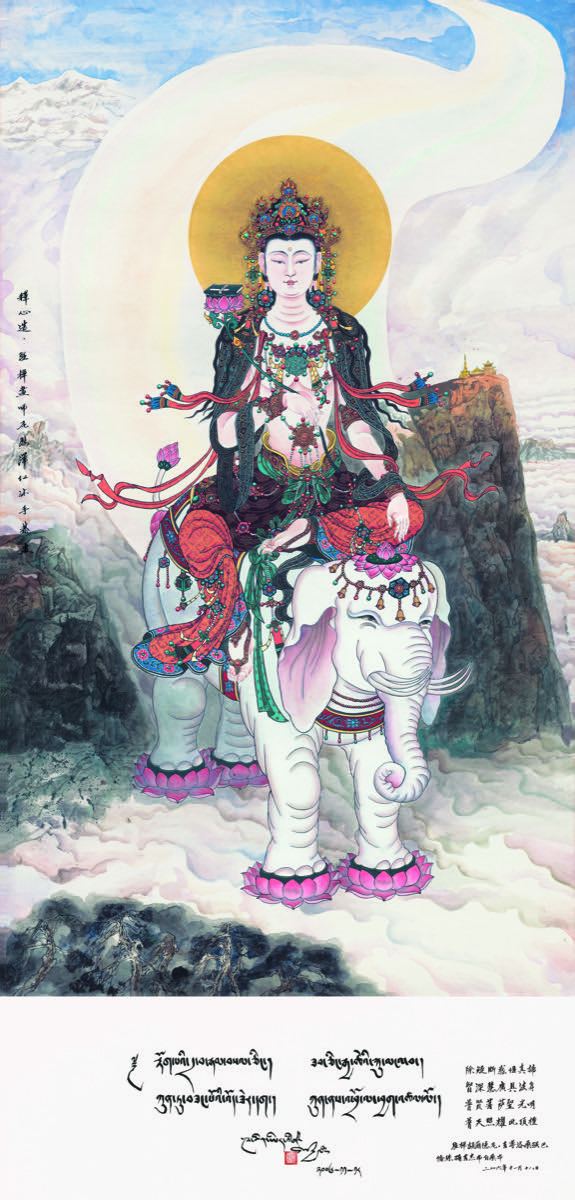
Identify Samantabhadra Bodhisattva through the white elephant and peaceful form, while distinguishing him from the primordial Buddha also called Samantabhadra.
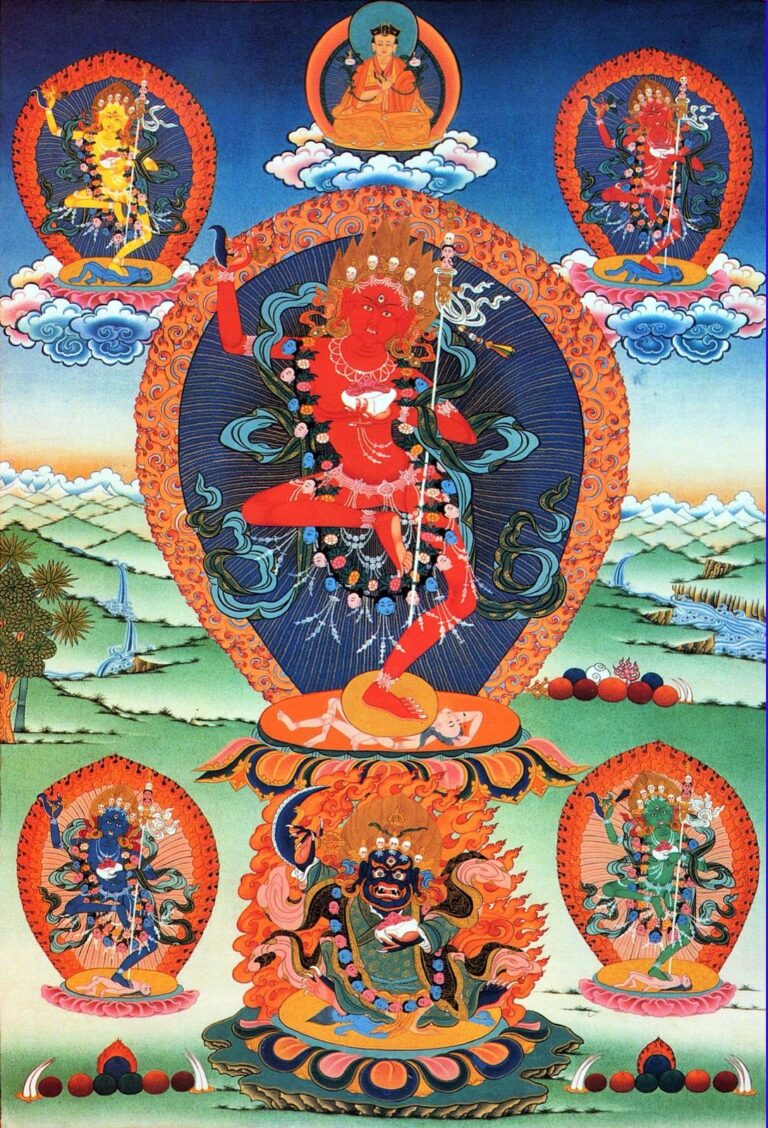
Identify major Vajrayogini and Vajravarahi forms through body color, dynamic posture, curved knife, skull cup, khatvanga, and retinue.
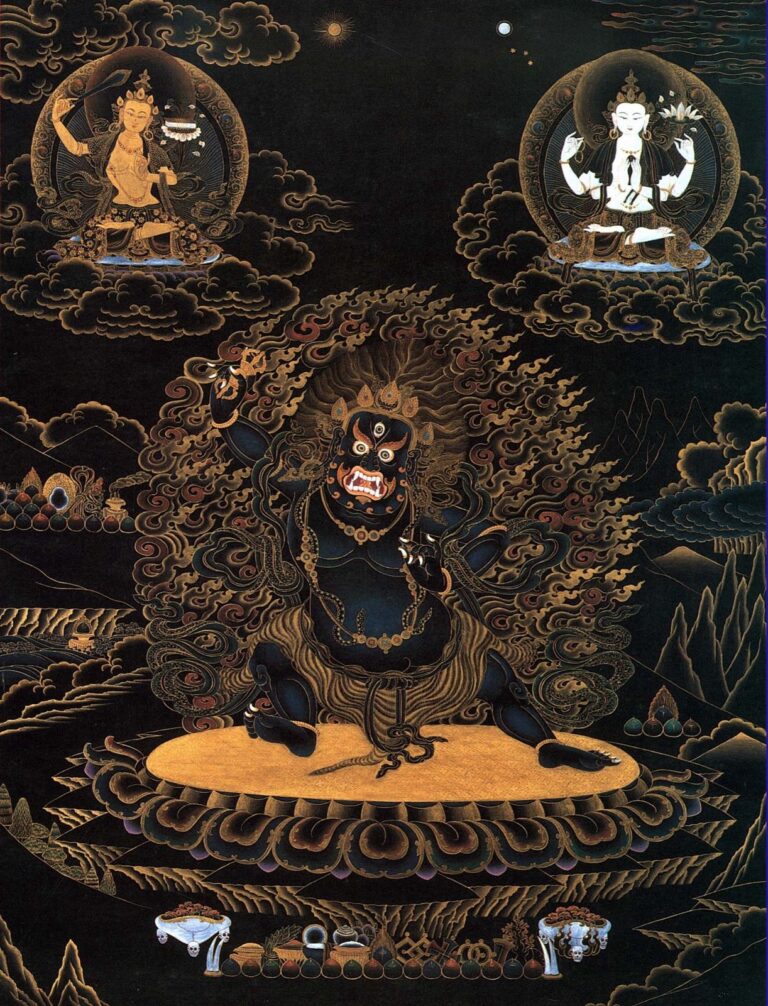
Learn to identify a wrathful Vajrapani thangka by reading the vajra, blue body, expression, flame aureole, posture, ornaments, and surrounding context.
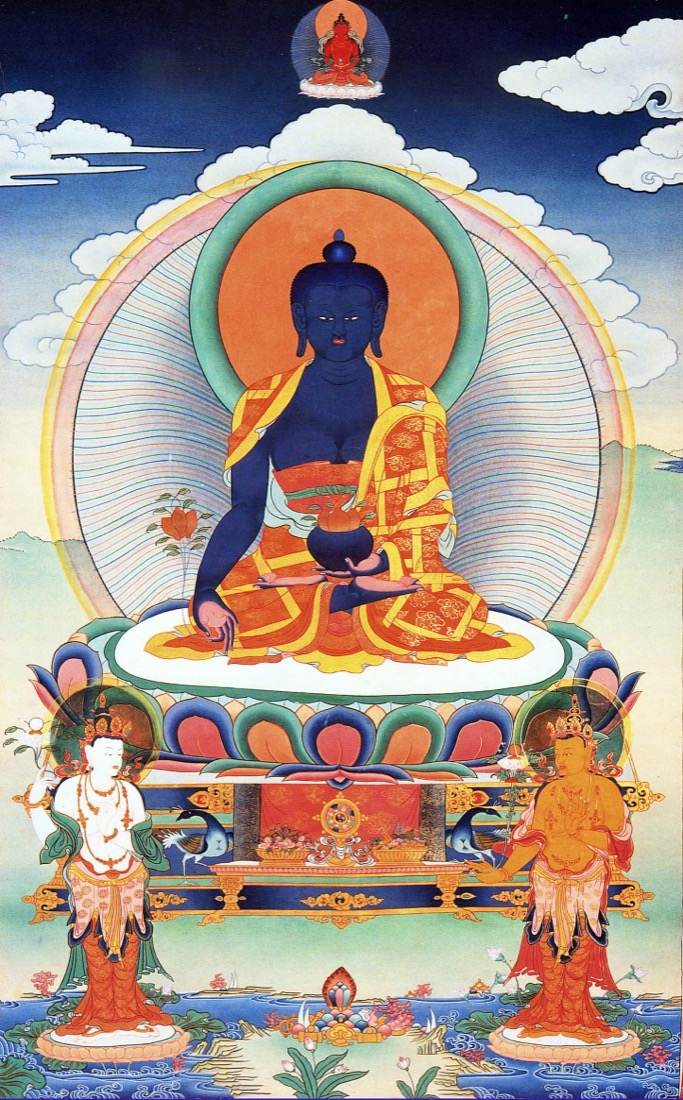
A practical guide to identifying a Medicine Buddha thangka through the lapis-blue body, medicinal plant, alms bowl, monastic robes, and supporting figures.
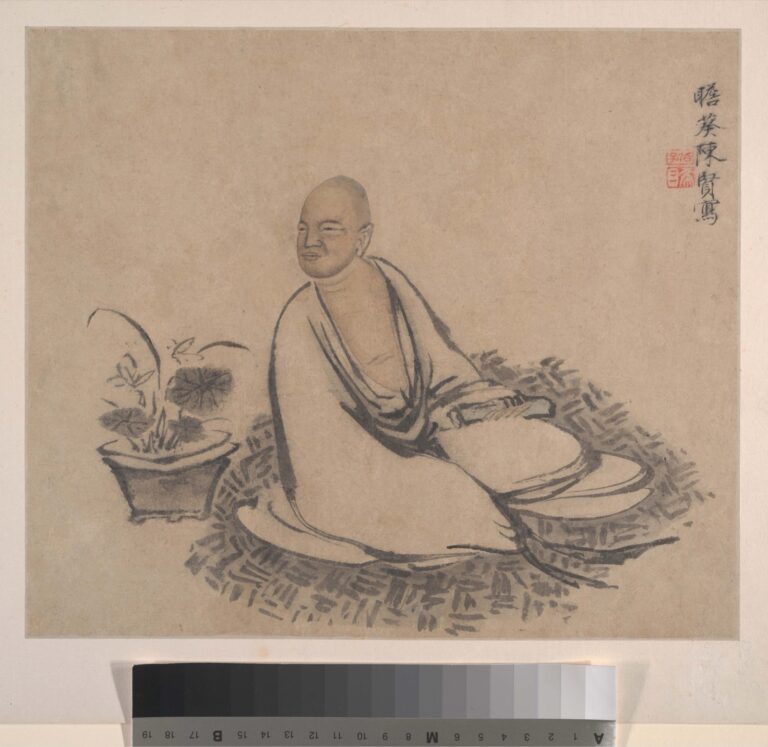
A museum-minded guide to recognizing Arhats through monastic identity, portrait-like faces, settings, attendants, and careful attribution.
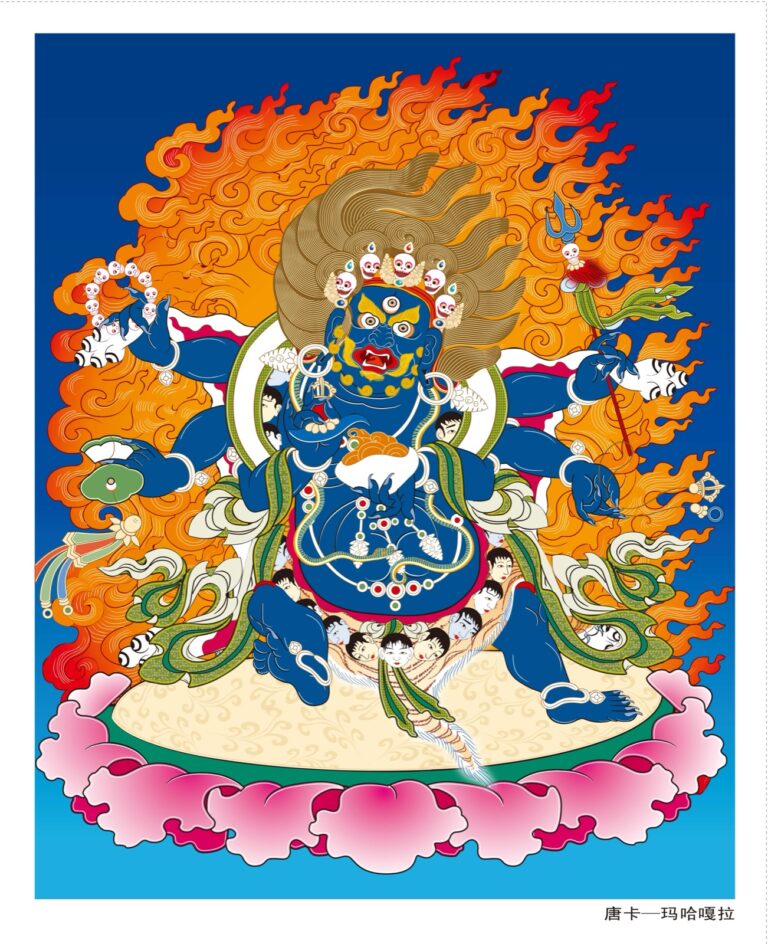
Identify Six-Armed Mahakala by six arms, three eyes, chopper, skull cup, flames, skull ornaments, and protector iconography.
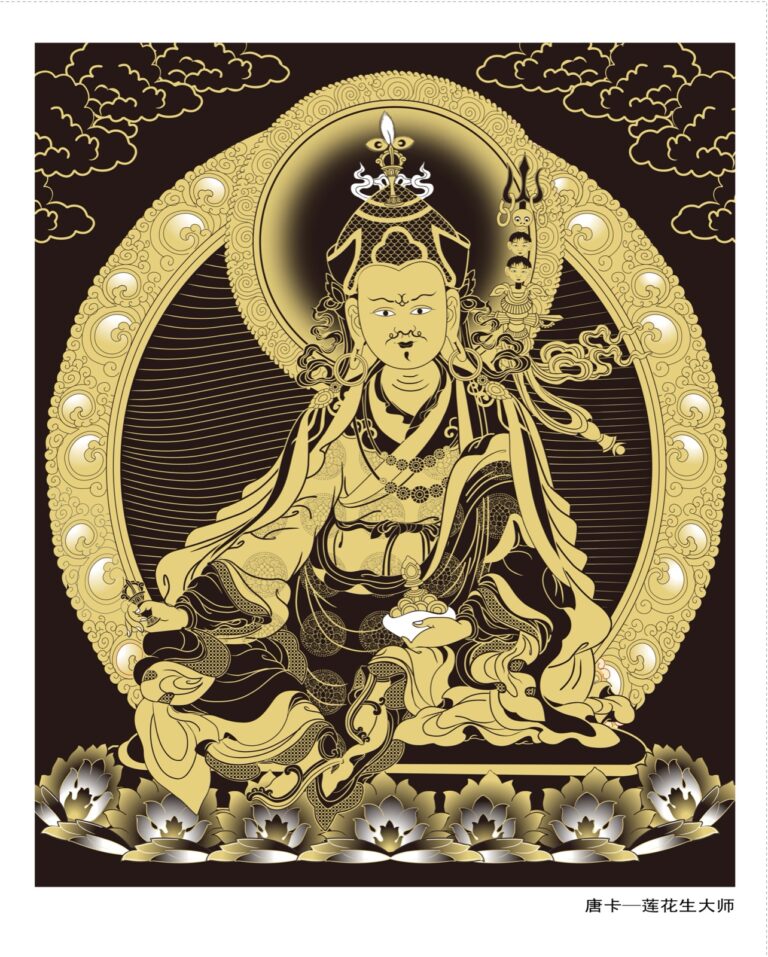
Identify Guru Rinpoche in a Padmasambhava Thangka by the lotus hat, vajra, skull cup, khatvanga, seated posture, and lineage figures.
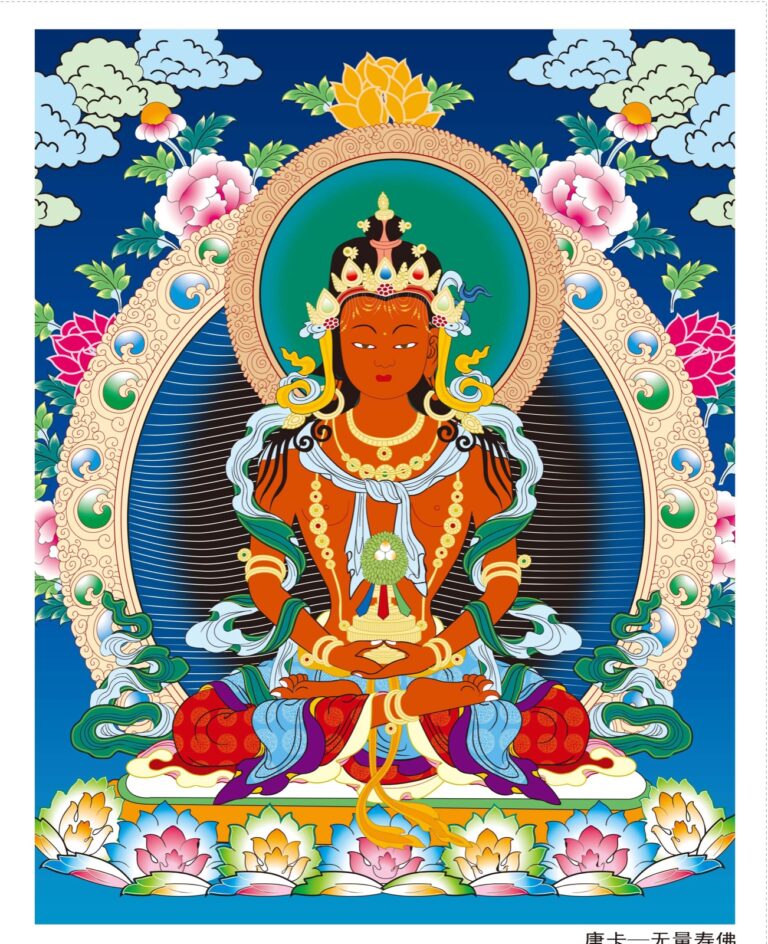
Identify Amitayus by the red body, jeweled crown, meditation pose, and longevity vase, then distinguish this form from Amitabha.
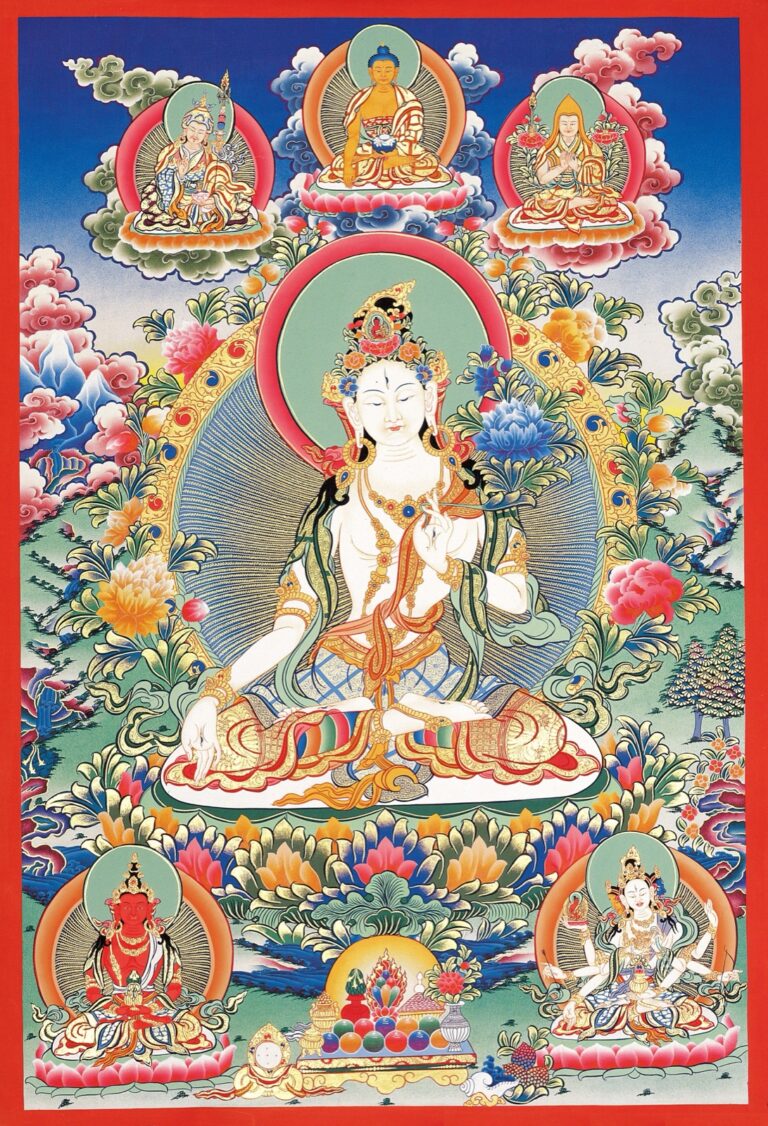
A visual guide to identifying White Tara through her seven eyes, seated posture, gestures, lotus imagery, and association with compassionate longevity.