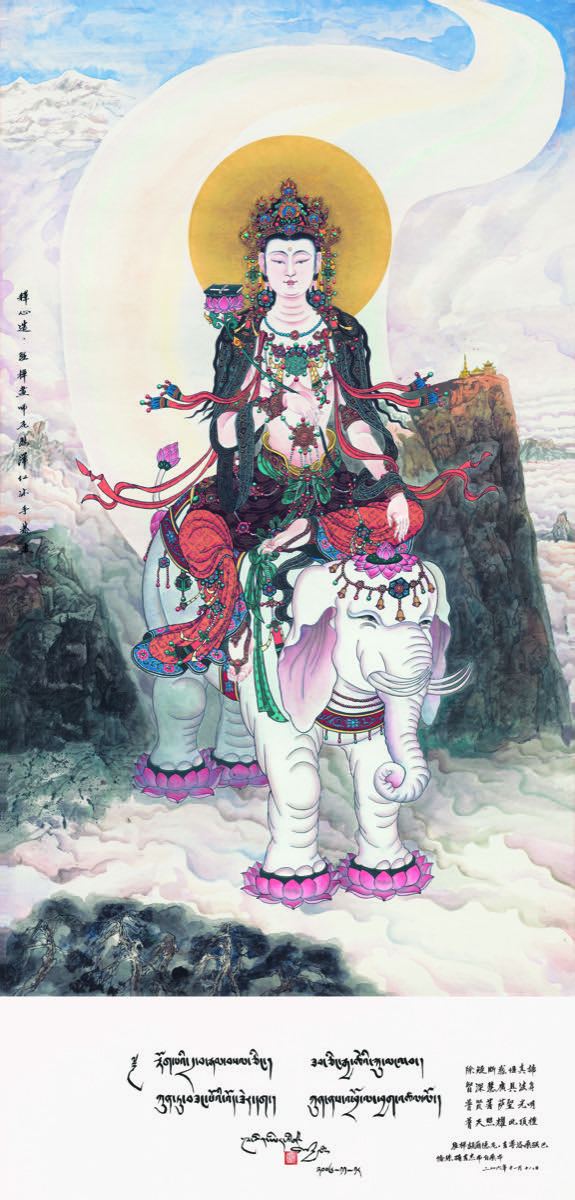
Samantabhadra Thangka: The Bodhisattva, Elephant, and Meaning
Identify Samantabhadra Bodhisattva through the white elephant and peaceful form, while distinguishing him from the primordial Buddha also called Samantabhadra.

The Thangka World journal
Approachable guides to thangka paintings, Buddhist figures, mandalas and Himalayan visual culture. Study the guides, then explore the complete thangka image collection.
Identify Samantabhadra Bodhisattva through the white elephant and peaceful form, while distinguishing him from the primordial Buddha also called Samantabhadra.
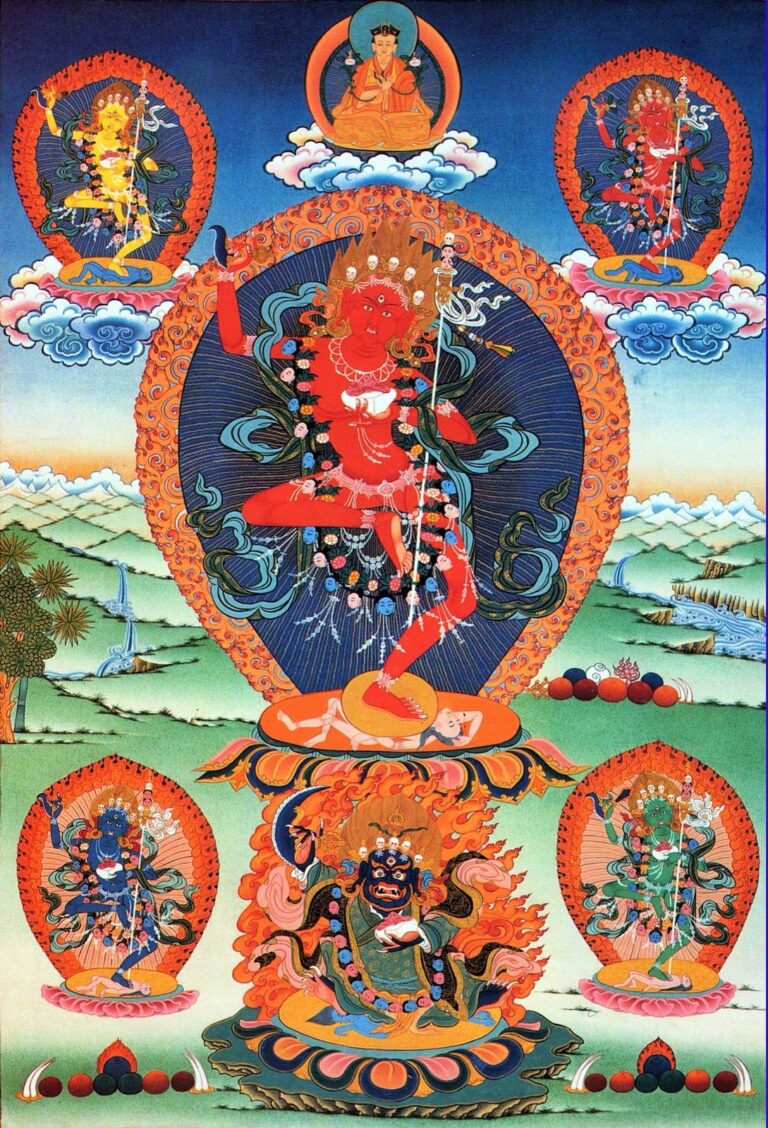
Identify major Vajrayogini and Vajravarahi forms through body color, dynamic posture, curved knife, skull cup, khatvanga, and retinue.
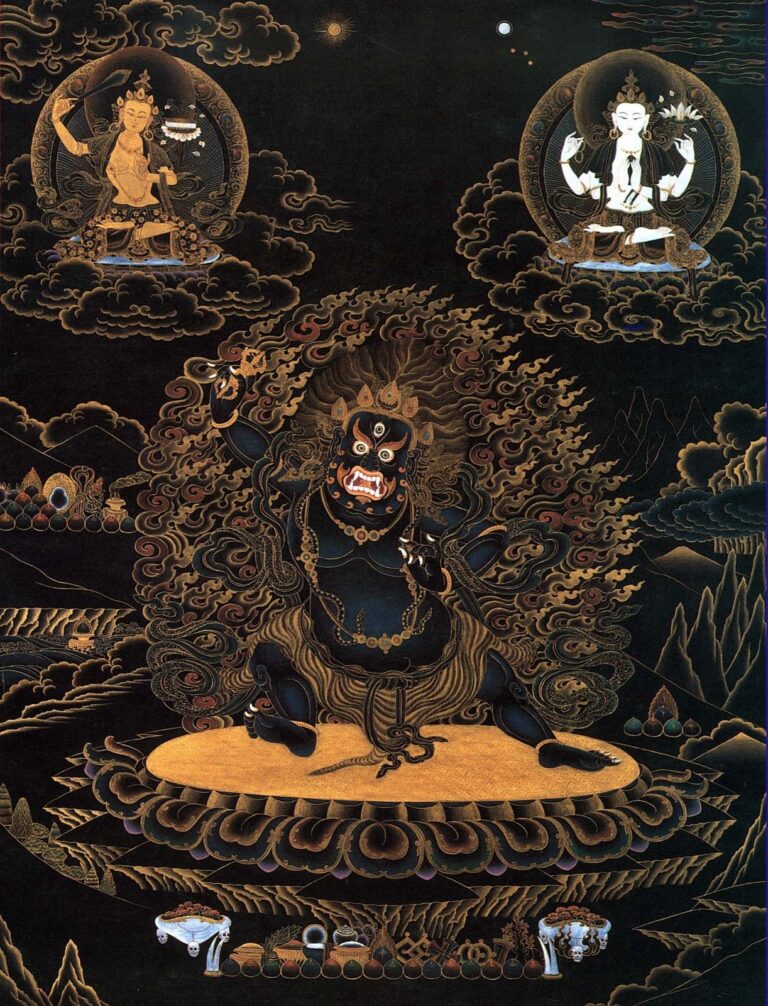
Learn to identify a wrathful Vajrapani thangka by reading the vajra, blue body, expression, flame aureole, posture, ornaments, and surrounding context.
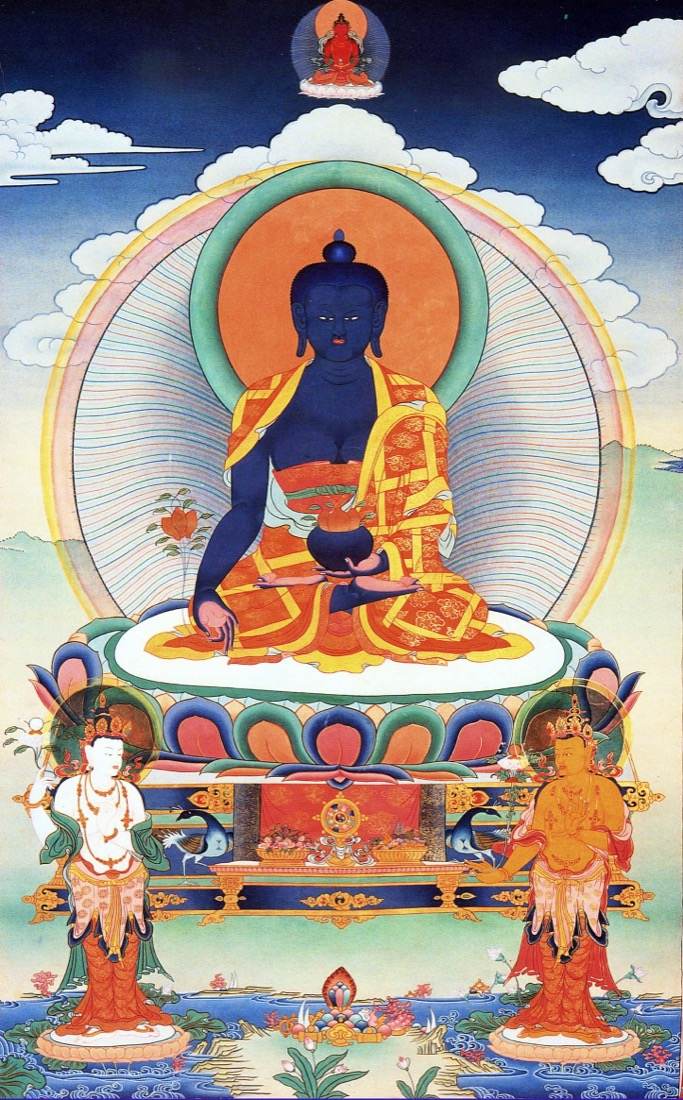
A practical guide to identifying a Medicine Buddha thangka through the lapis-blue body, medicinal plant, alms bowl, monastic robes, and supporting figures.
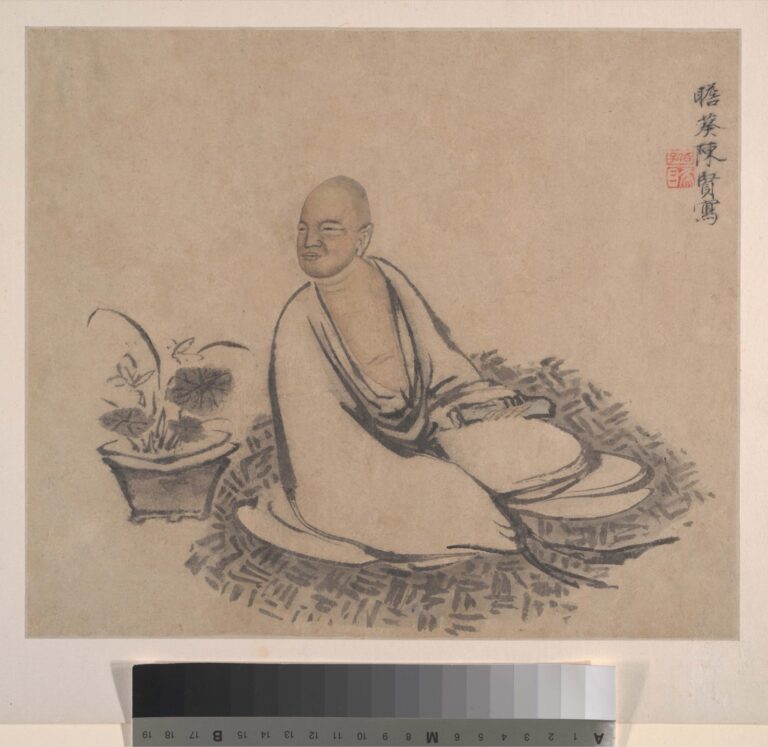
A museum-minded guide to recognizing Arhats through monastic identity, portrait-like faces, settings, attendants, and careful attribution.
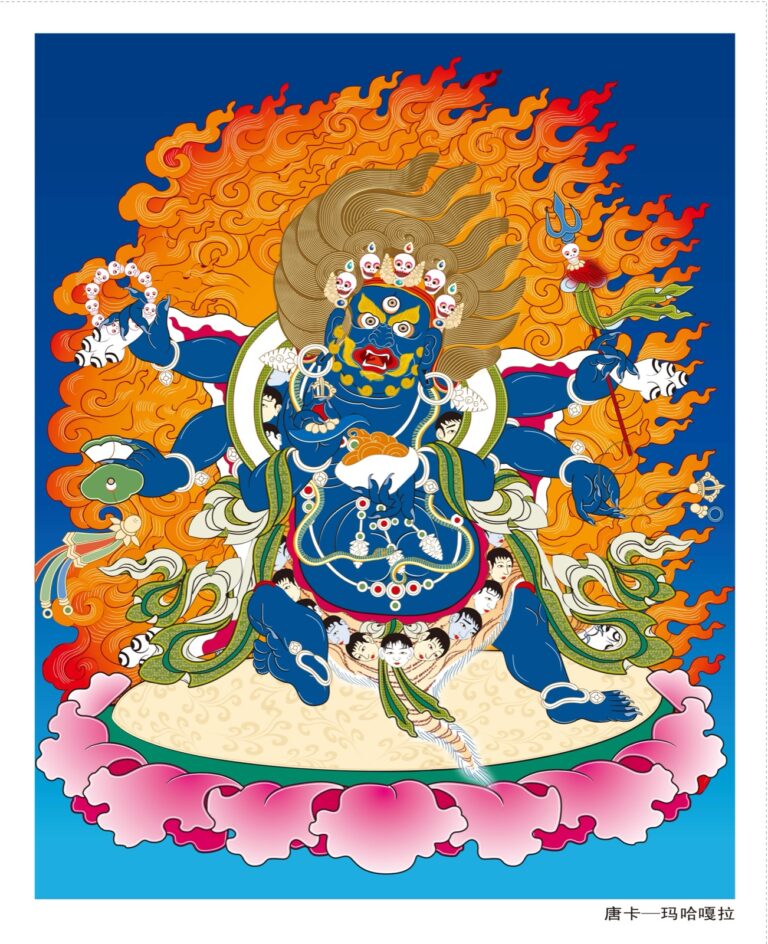
Identify Six-Armed Mahakala by six arms, three eyes, chopper, skull cup, flames, skull ornaments, and protector iconography.
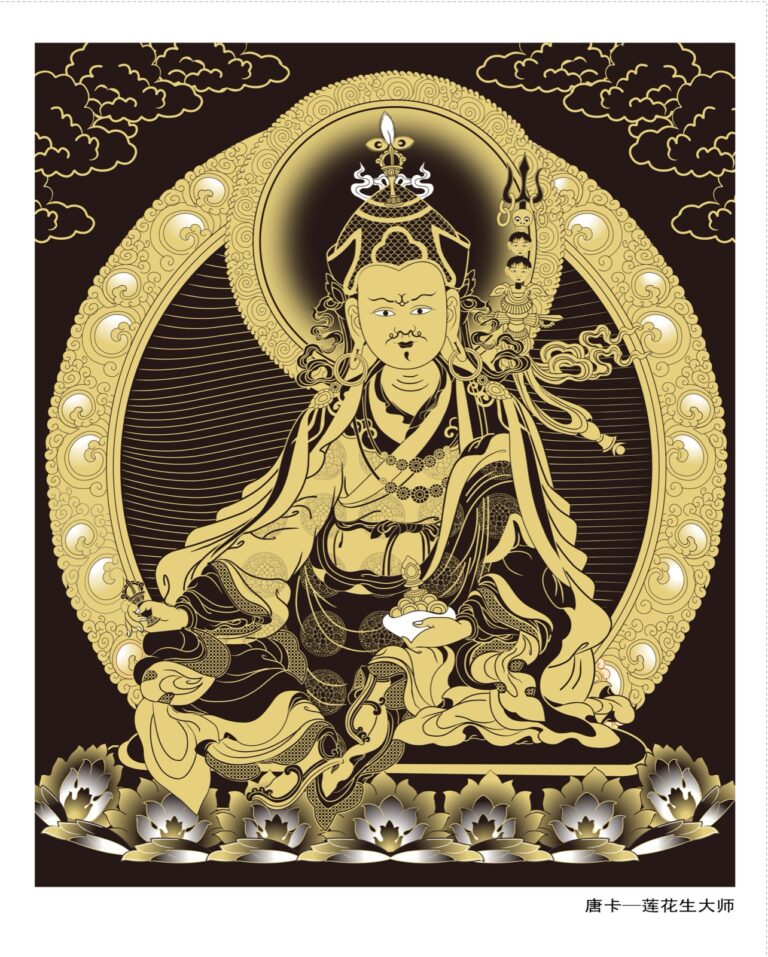
Identify Guru Rinpoche in a Padmasambhava Thangka by the lotus hat, vajra, skull cup, khatvanga, seated posture, and lineage figures.
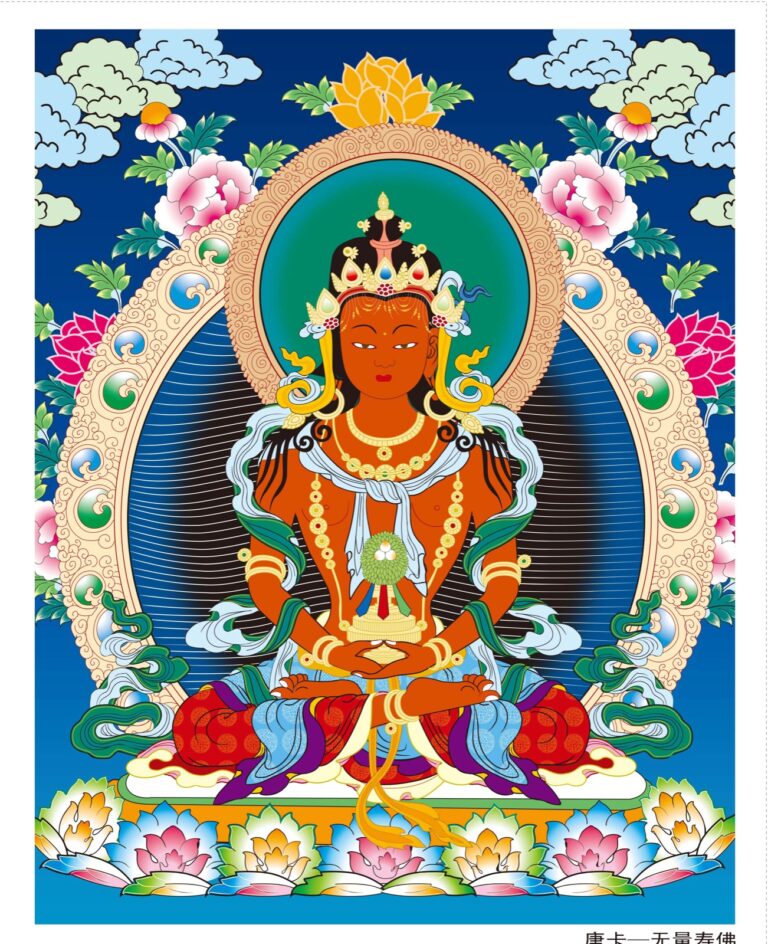
Identify Amitayus by the red body, jeweled crown, meditation pose, and longevity vase, then distinguish this form from Amitabha.
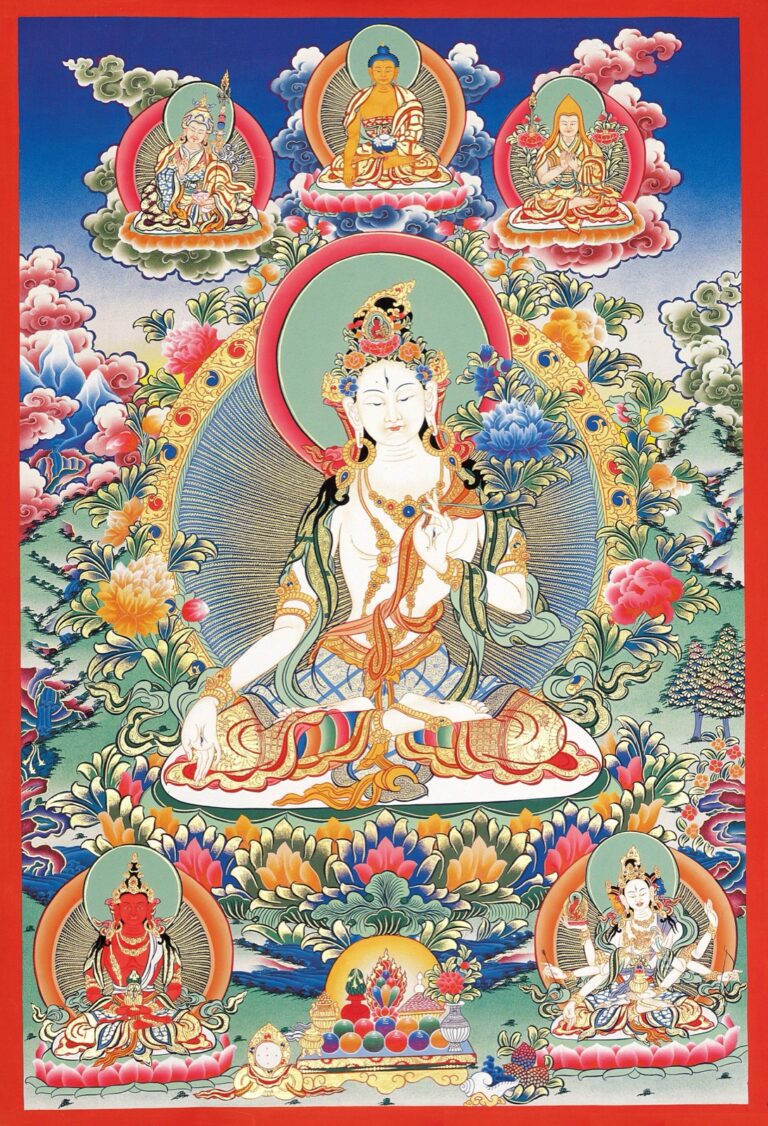
A visual guide to identifying White Tara through her seven eyes, seated posture, gestures, lotus imagery, and association with compassionate longevity.
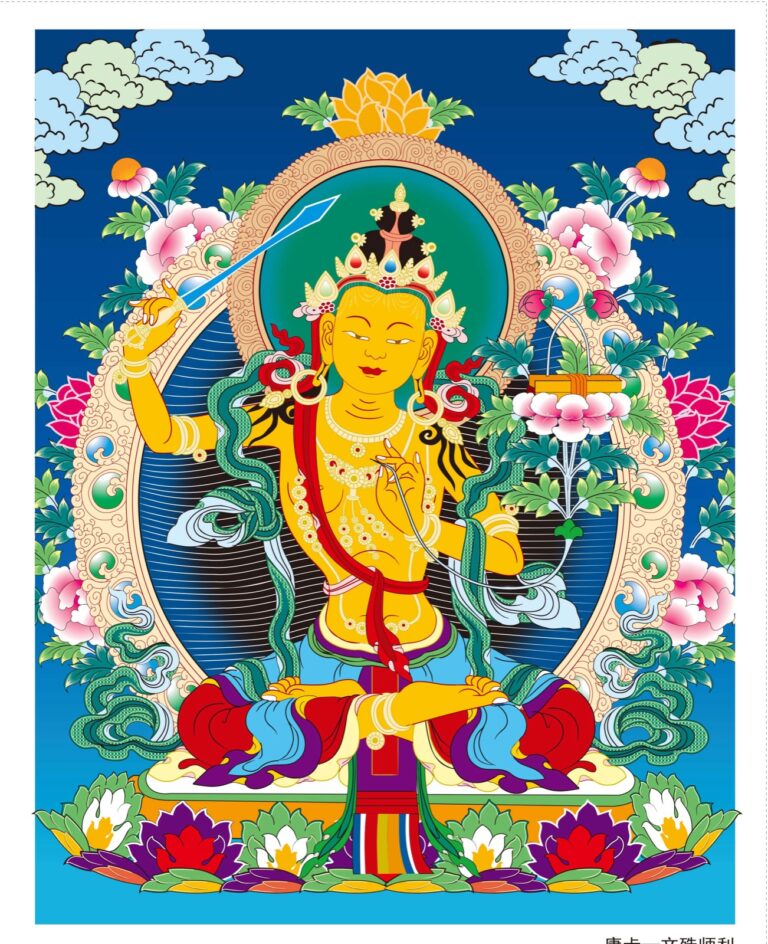
A visual guide to Manjushri in thangka art, including the flaming sword, lotus, book of wisdom, youthful appearance, gestures, and common variations.