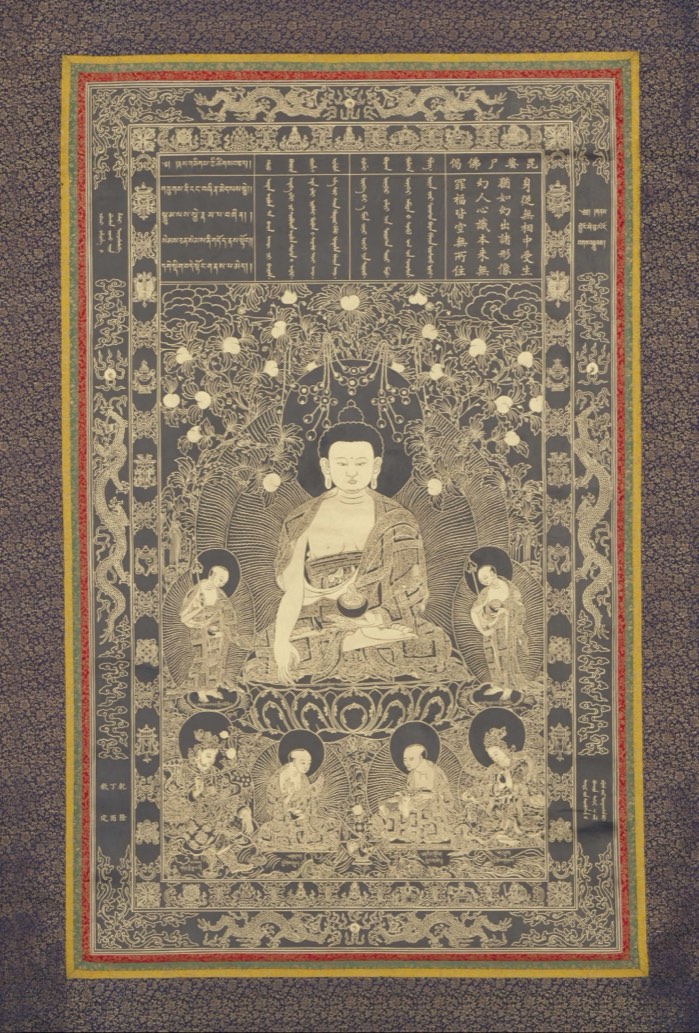
Thangka Border Documentation: How to Record the Edges
Learn how to document Thangka borders, textile surrounds, frames, inscriptions, condition, and later alterations without overstating what an image proves.

The Thangka World journal
Approachable guides to thangka paintings, Buddhist figures, mandalas and Himalayan visual culture. Study the guides, then explore the complete thangka image collection.
Learn how to document Thangka borders, textile surrounds, frames, inscriptions, condition, and later alterations without overstating what an image proves.

Learn how patterned scroll cover textiles can reveal mounting history, condition, and use—and how to document them without guessing fiber, date, or origin.
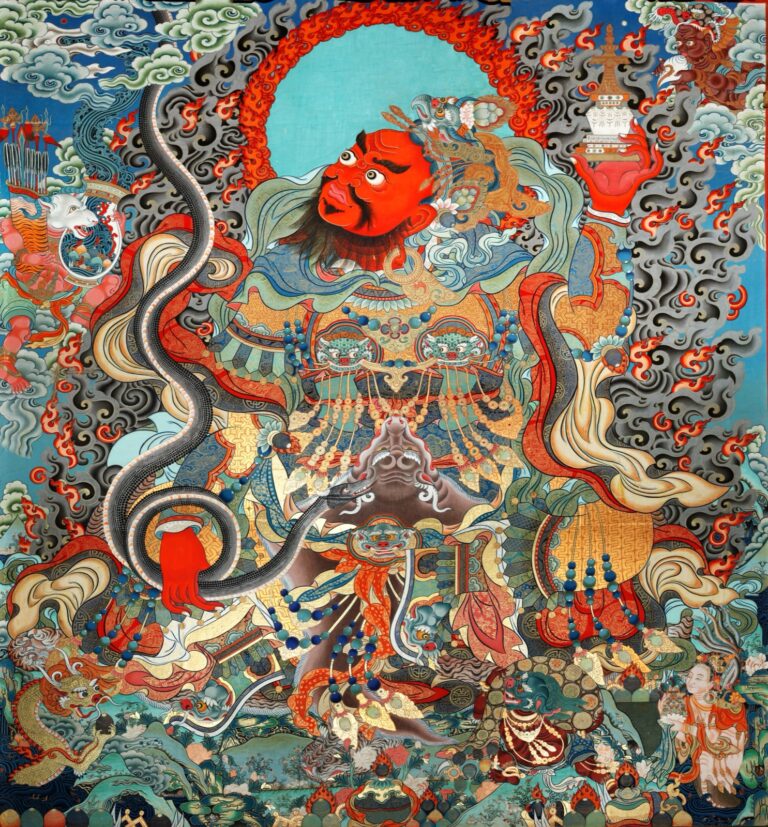
Learn how scale, gaze, serpents, flames, smoke, negative space, and retinues create movement in wrathful Buddhist art without guessing identity.
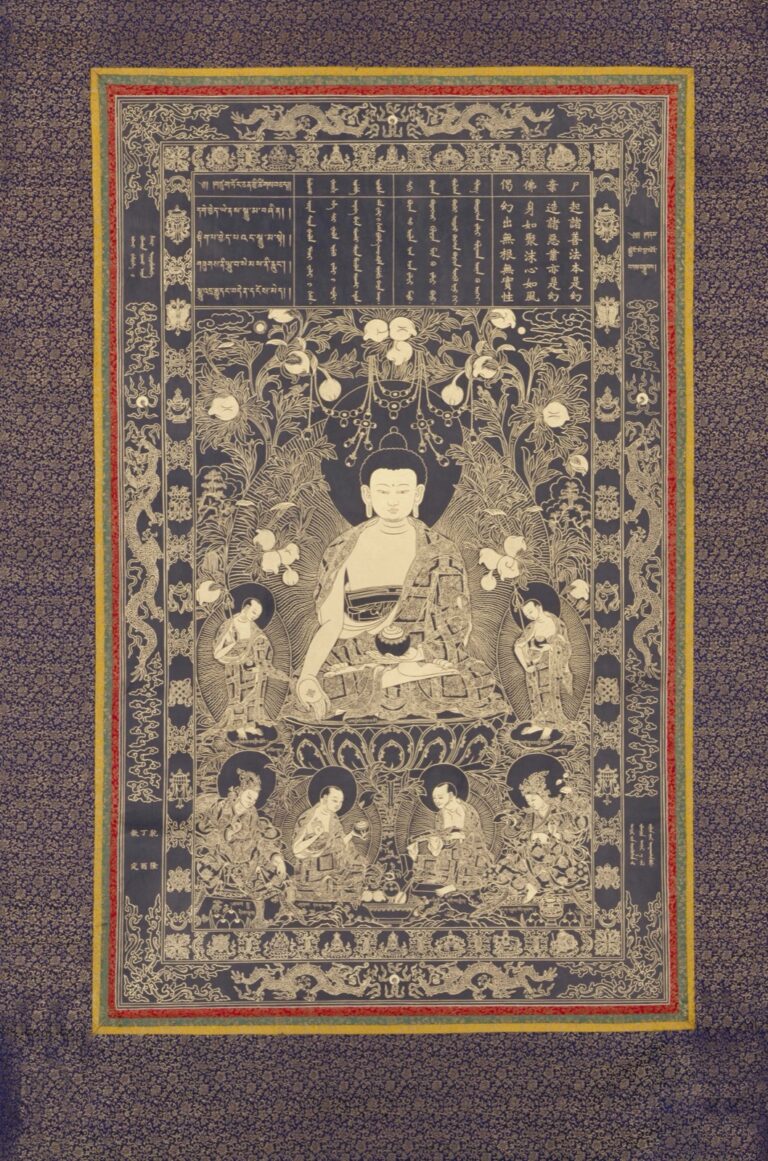
Read the Sikhin Buddha thangka through its central figure, multilingual inscription panels, gold-on-indigo design, attendants, and ornamental borders.
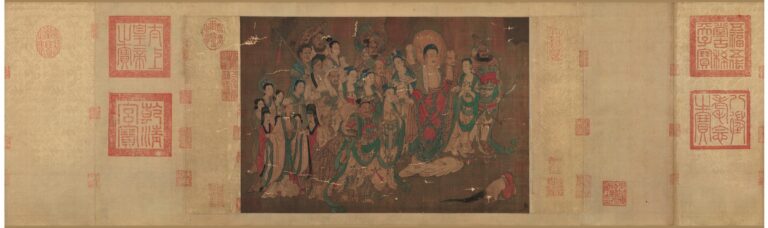
Read Dipankara Buddha in art through the standing Buddha, kneeling ascetic, gathered witnesses, handscroll format, and collector seals.
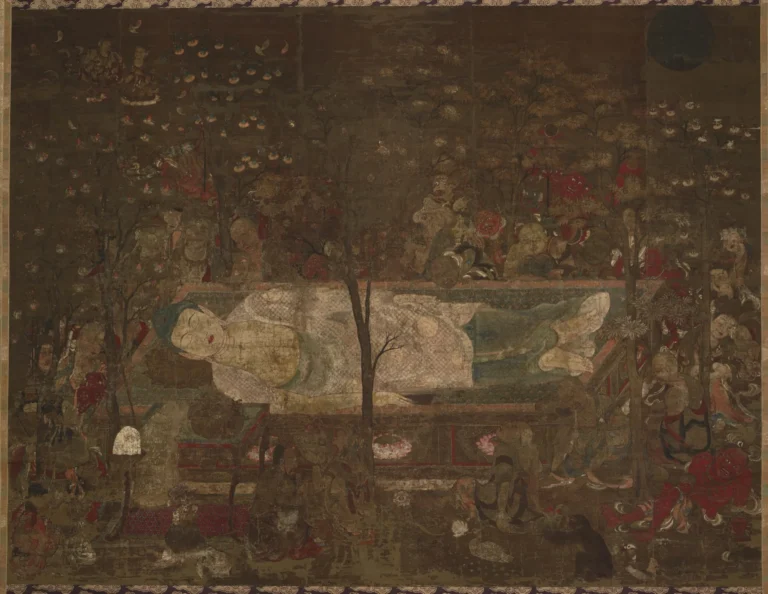
Learn how to read Buddha's Parinirvana in art through the reclining Buddha, mourners, animals, sal trees, ritual context, and careful evidence.
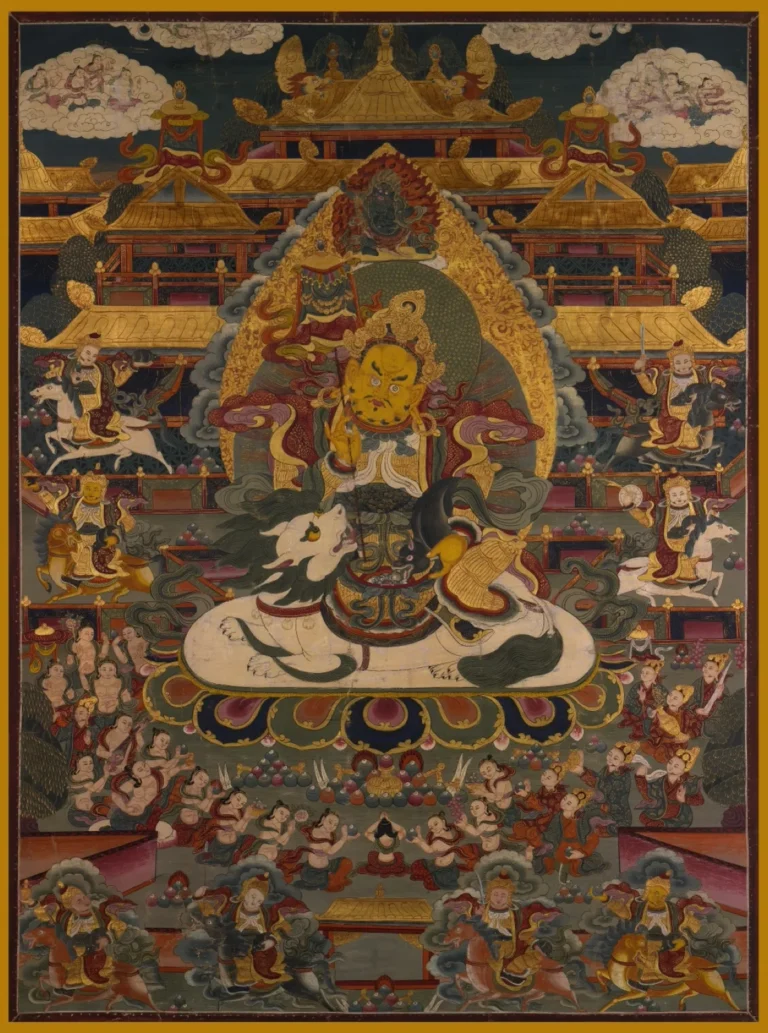
Learn to read an Eight-Direction Wealth Deities Thangka through hierarchy, mounts, guardian figures, offerings, and cautious identification.
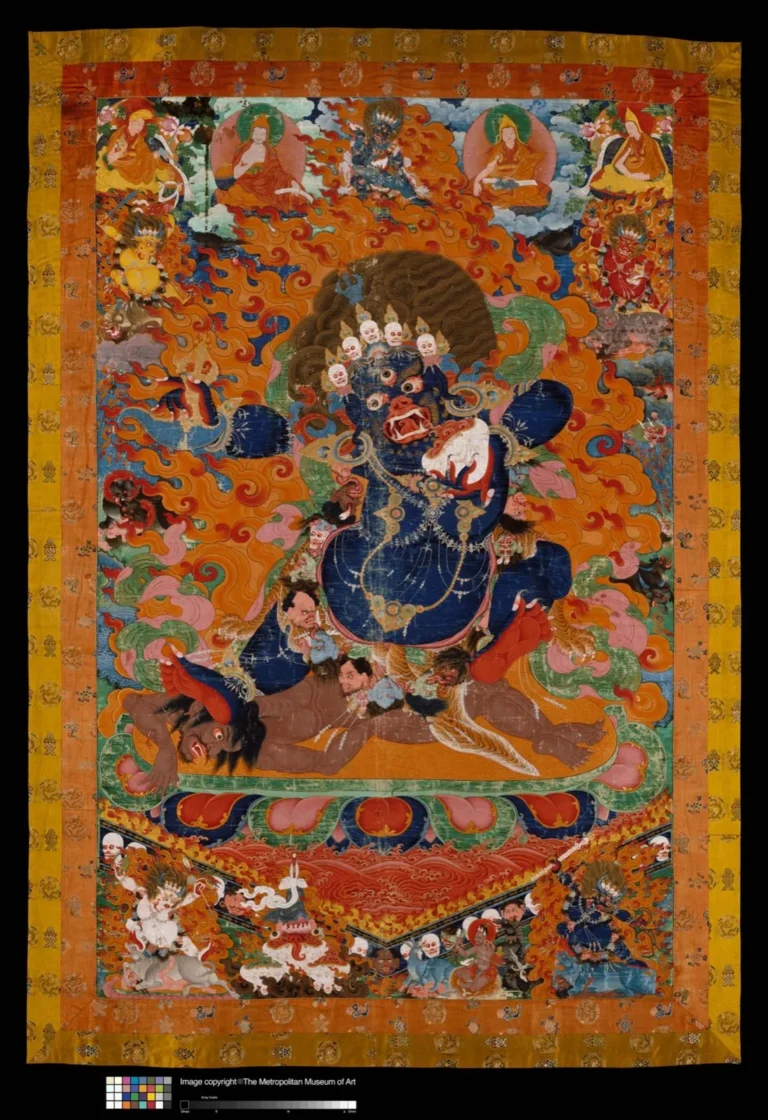
Learn how to distinguish Yama from Yamantaka by reading wrathful attributes, retinues, lineage figures, and museum catalog evidence in TK0482.
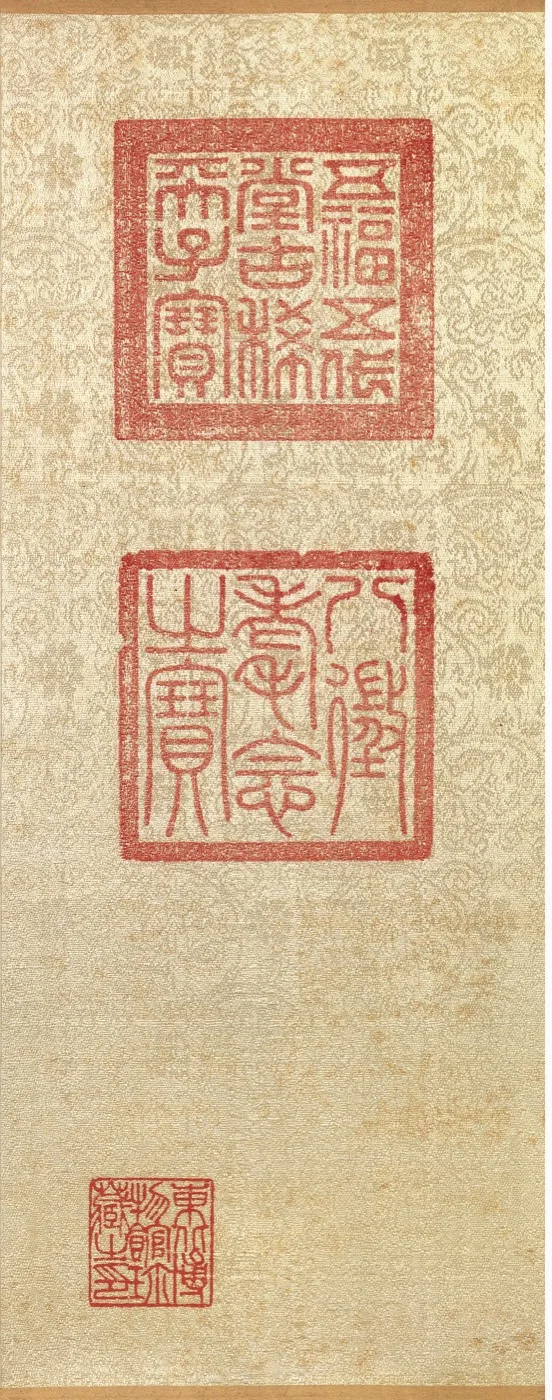
A practical guide to documenting Buddhist painting seals through placement, shape, script, impression quality, mounting context, and provenance evidence.

A practical thangka condition report checklist for recording structure, creases, pigment loss, stains, support damage, photographs, and conservation priorities.