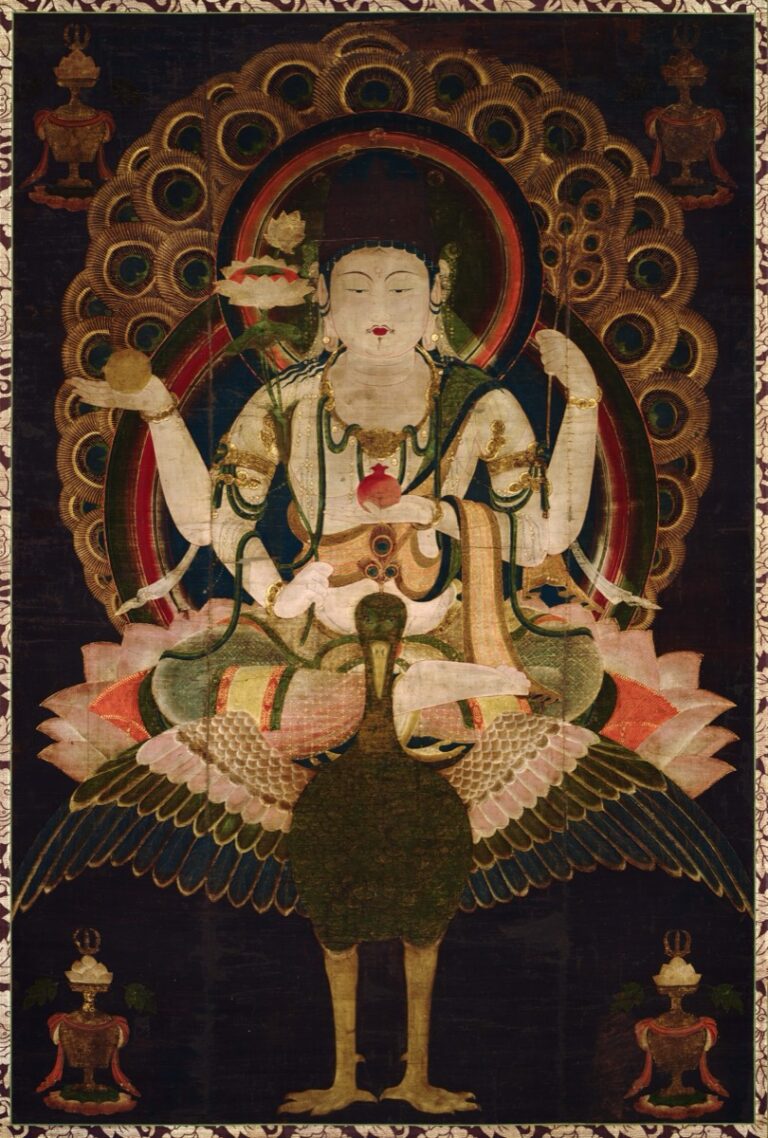
Mahamayuri in Buddhist Art: Peacock Symbols and Identification
Identify Mahamayuri through the peacock mount, feather imagery, peaceful form, regional variations, important look-alikes, and a practical visual checklist.

Browse the journal
Explore guides to Buddhist deities, bodhisattvas, symbols and iconographic attributes found in traditional thangka paintings.
Identify Mahamayuri through the peacock mount, feather imagery, peaceful form, regional variations, important look-alikes, and a practical visual checklist.
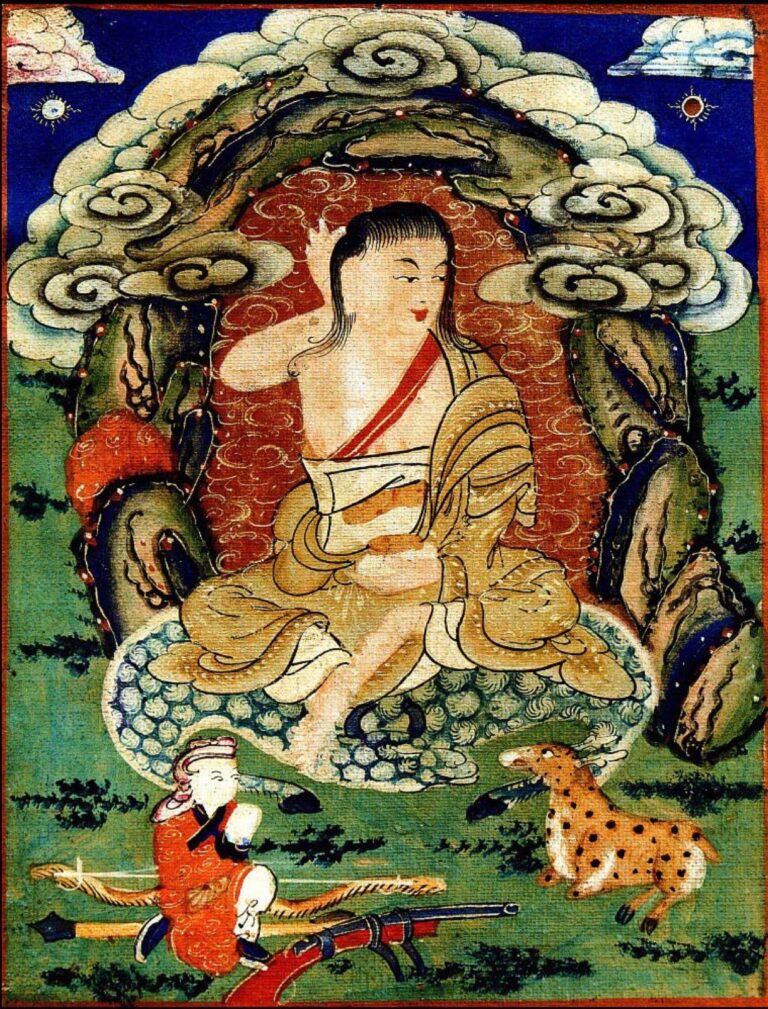
Identify Milarepa through the hand cupped to the ear, white cotton robe, ascetic body, cave setting, deer-hunter narrative, and Kagyu context.
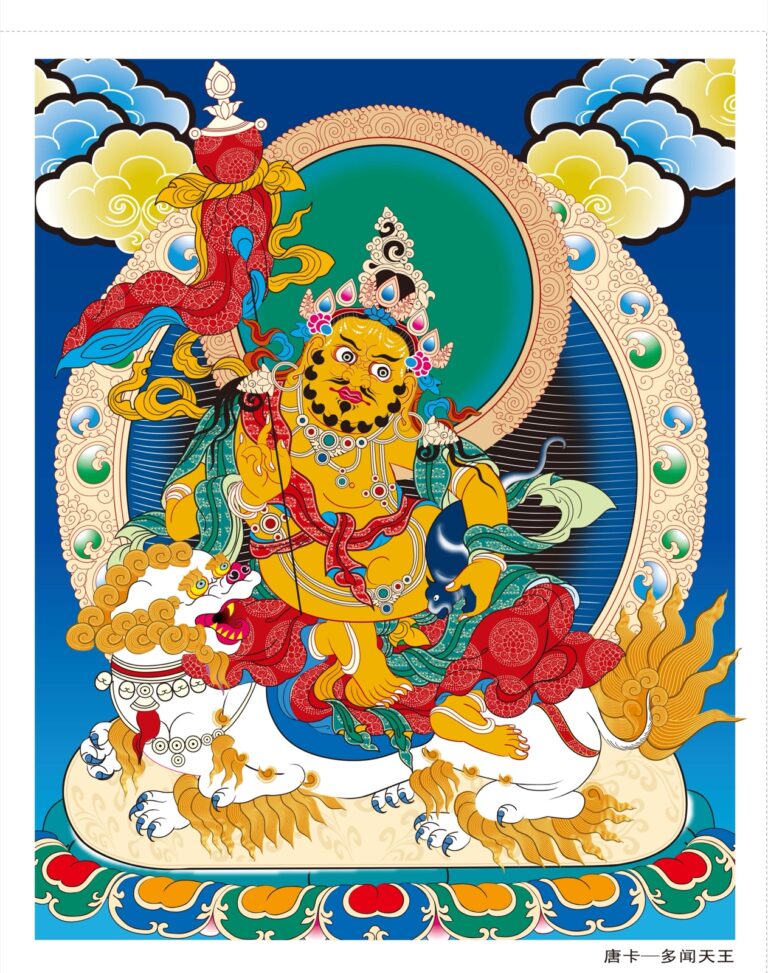
Recognize Vaishravana through the victory banner, jewel-spitting mongoose, armor, royal dress, snow lion mount, northern guardian role, and comparisons.
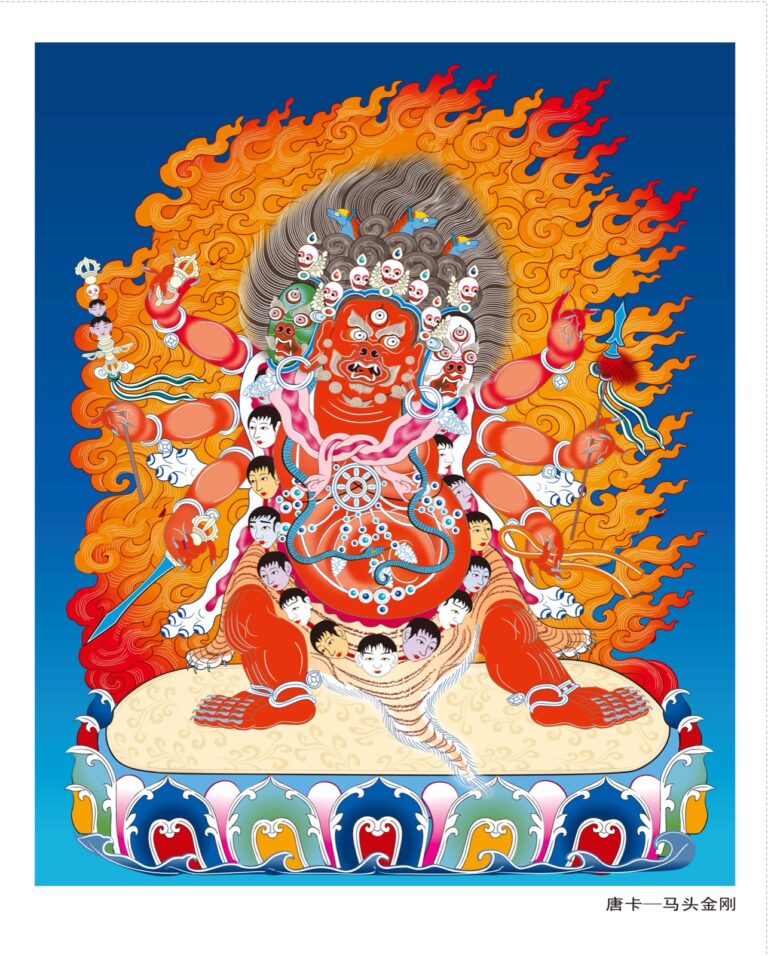
Identify Hayagriva through the horse heads, red wrathful body, multiple faces and arms, flames, skull ornaments, tiger skin, and important comparisons.
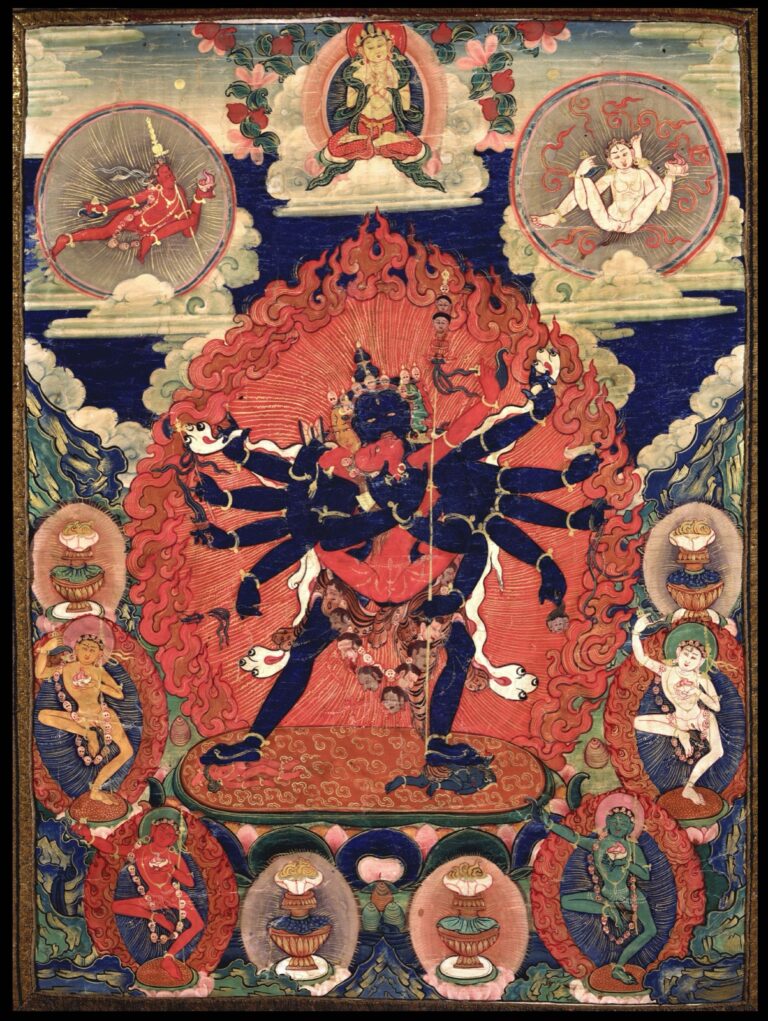
Read a complex Chakrasamvara painting through four faces, twelve arms, Vajravarahi, ritual implements, flames, retinue figures, and cautious attribution.
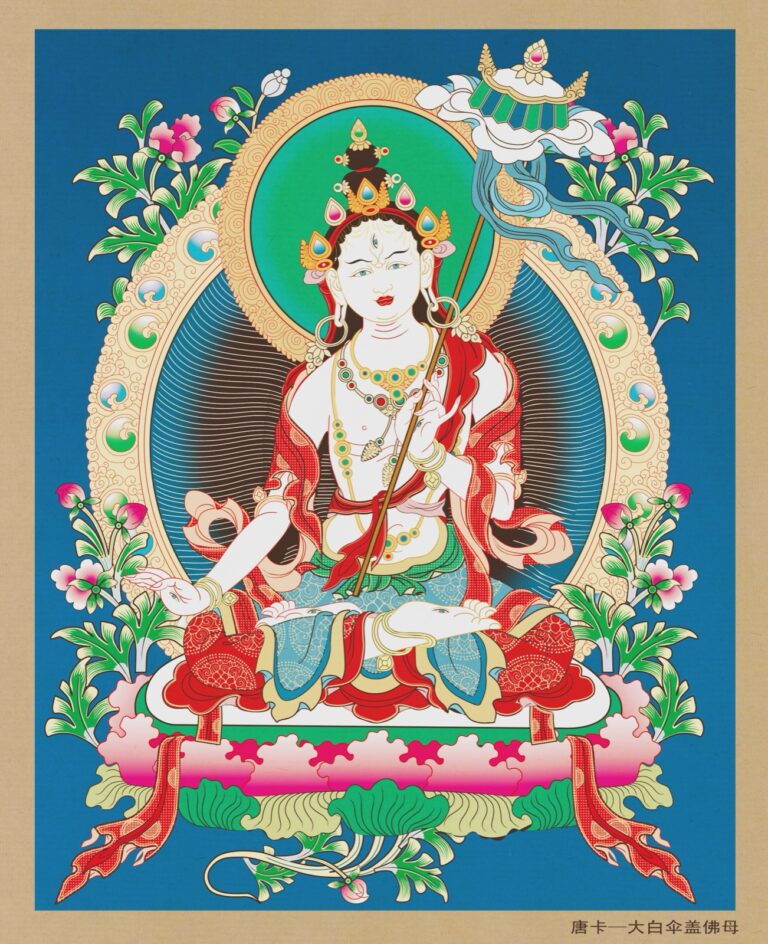
Identify Sitatapatra through the white parasol, peaceful white body, wheel gesture, seated posture, and major two-armed and thousand-armed variations.
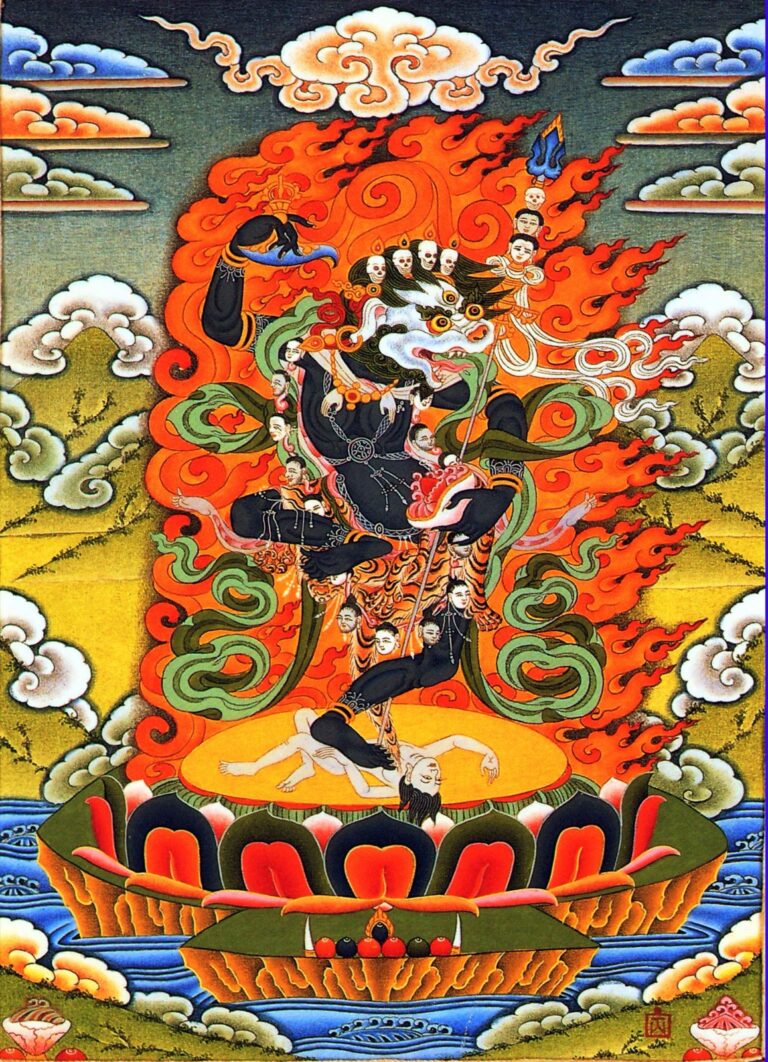
Recognize Simhamukha through the lion face, dark body, curved knife, skull cup, tantric staff, flames, dancing stance, and careful comparisons.
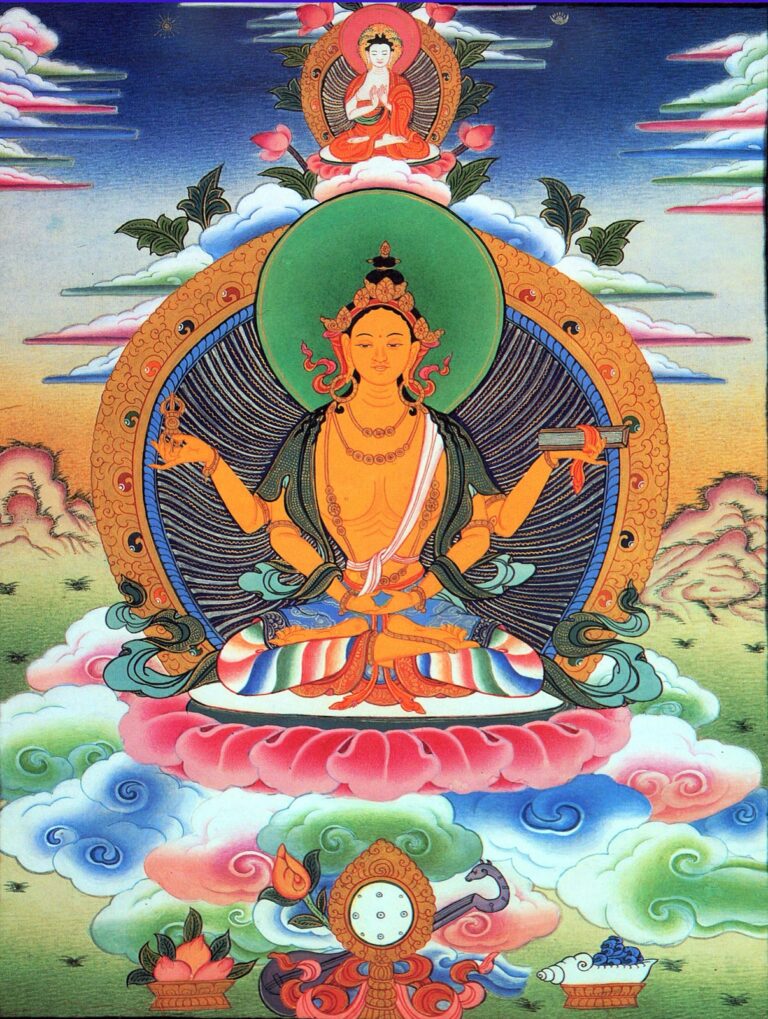
Learn to recognize Prajnaparamita through the sacred book, golden body, four arms, meditation gesture, lotus seat, and important look-alikes.
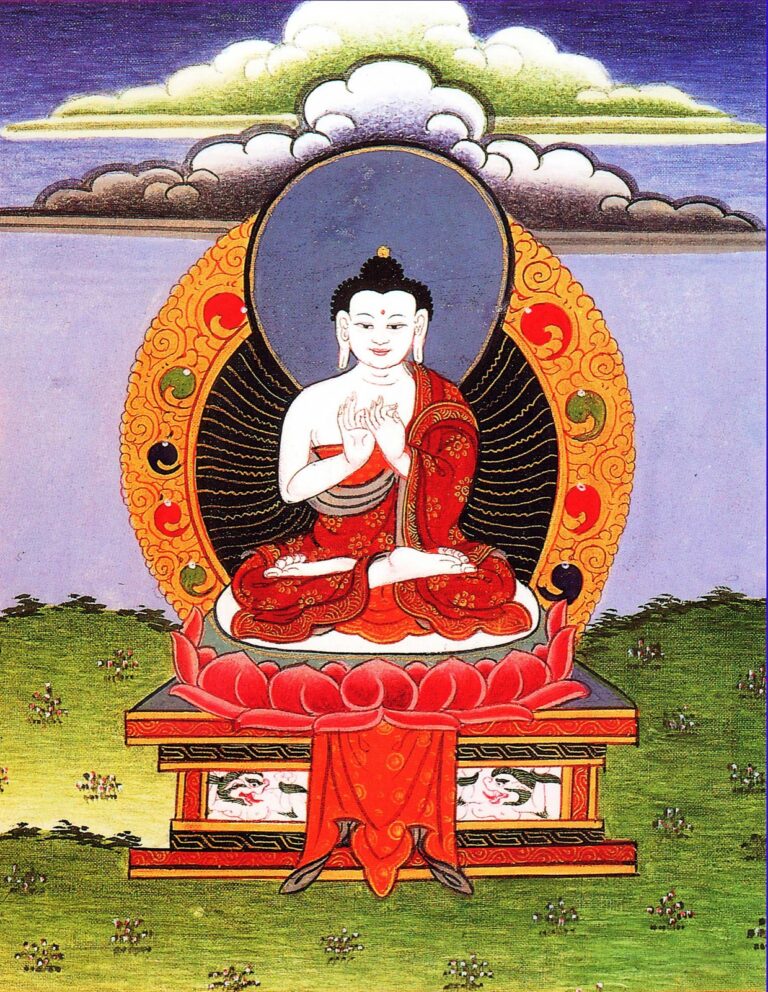
Identify Vairocana Buddha through the teaching gesture, white body, central position, and visual relationships within the Five Buddha family.
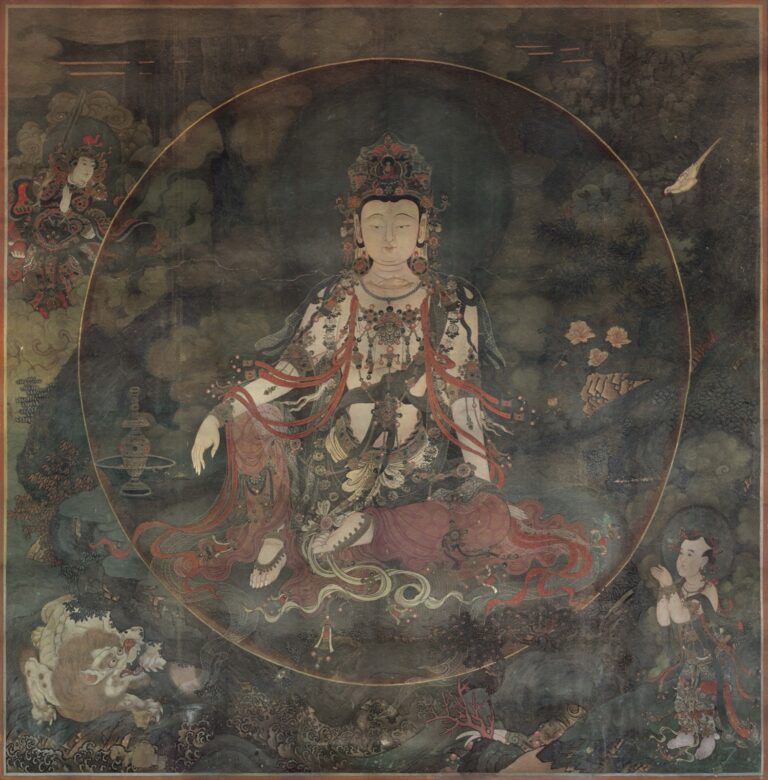
A close visual reading of Fahai Temple's Water-Moon Avalokiteshvara, including pose, moon halo, transparent veil, landscape, attendants, pigments, and preservation.